
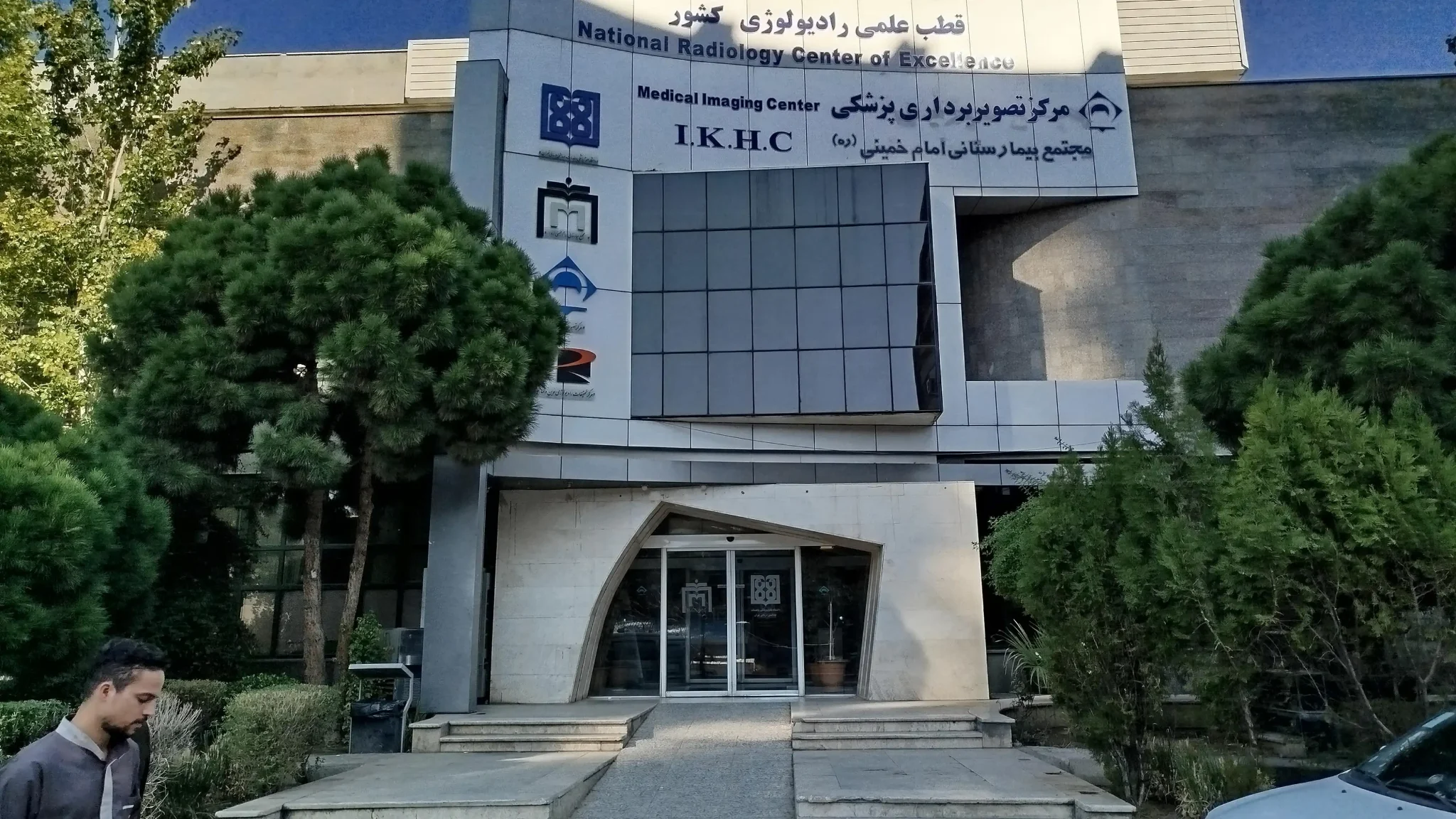
Imam Khomeini Hospital Complex ranks as not only Iran's flagship academic medical center but also one of the most significant diagnostic and treatment hubs in the Middle East. Situated in the heart of Tehran and affiliated with Tehran University of Medical Sciences, IKHC is a conglomerate of high volume specialty hospitals, ground-breaking research institutes, and accomplished professors who handle intricate cases from all over Iran as well as foreign countries. In the case that you are looking to undergo surgery in Iran and desire first-rate care in a university hospital of international repute, then Imam Khomeini Hospital is the answer. The cross-border patient assistance arm of IranMedBank can be at your disposal to carry out the medical opinion to the cost of treatment, visas, airport pick-up, hospital admissions, and post-therapy supervision simultaneously, thus ensuring your seamless journey.
Imam Khomeini Hospital, under the name of Pahlavi Hospital at the beginning, has had a journey that reflects the growth of medical science in Iran. Over the years, the hospital's roots have become ingrained in the rapid change of the country's healthcare industry in the early 20th century. The need for large and up-to-date medical facilities to provide care for the rising population and to meet the educational needs of the newly independent Medical School of Dar al-Fonun prompted the government to take steps toward the realization of this goal in 1928 (1306 in the Persian calendar). Hospitals already existing in Tehran were inadequate for clinical training and patient care at that time, which was why the cabinet approved the construction of a 500-bed hospital.
First land purchase and building construction were made in 1930 (1308), but there were many problems that delayed the progress. Around the Second World War, the project lost a significant setback as the Allied forces' occupation of parts of Iran froze the development and even put the place to their use. This occupation went on until 1946 (1325), so it was not until after that time the government allocated funds to finish the hospital and buy the equipments. Parts of the hospital started getting into operation by the end of the 1940s, with departments moving from other locations or being set up gradually.
The hospital compound that houses Imam Khomeini Hospital today spans over 139,000 square meters with a total of 10 buildings and affiliated centers. Its inclusion in the Tehran University of Medical Sciences, a highly ranked medical school worldwide, is the main reason for its existence as a patient care provider and a vital training ground for future doctors, thus making it an innovation and excellence hub. This affiliation has turned the hospital over the years into the biggest diagnostic and therapeutic center in Iran, thus attracting patients not only from neighboring countries but also from remote areas such as East Asia, Europe, and Canada. Besides this, its central location in Tehran offers easy access via public transport, making it extremely convenient for foreign visitors who can also indulge in the wide variety of accommodation, shopping, and leisure activities available in the area.
What truly sets Imam Khomeini Hospital apart is its cadre of elite physicians, many of whom are professors at Tehran University of Medical Sciences. Led by President Dr. Alireza Kazemini, a specialist in general surgery and colorectal fellowship, and Manager Alireza Seif with a master’s in hospital management, the team exemplifies expertise and dedication. Doctors here are not only academically accomplished but also bring decades of hands-on experience, having treated millions of patients and contributed to groundbreaking research.
In organ transplantation, surgeons like those in the kidney and liver units are renowned for their precision and innovation, often publishing in international journals. Their experience ensures high success rates, with personalized care plans that address cultural and linguistic needs for international patients. This level of expertise makes the hospital a magnet for medical tourists seeking reliable, world-class treatment.
For patients from any country considering surgery in Iran, Imam Khomeini Hospital offers unparalleled advantages in medical tourism. Iran is emerging as a global leader in affordable, high-quality healthcare, with costs up to 70% lower than in the US or Europe, without compromising on standards. The hospital’s specialization in organ transplants, especially kidney procedures, positions it as an expert choice for those facing long waitlists elsewhere.
At IranMedBank, we specialize in facilitating seamless experiences for international patients. If you want to undergo surgery at Imam Khomeini Hospital—be it a kidney transplant, cancer treatment, orthopedic procedure, or any other service—our support team is ready to help. We handle everything from visa assistance and airport transfers to interpreter services, accommodation bookings, and post-operative follow-ups. Contact us via our website (iranmedbank.info) or call our dedicated line to discuss your needs. Our transactional process ensures transparency: we’ll provide detailed cost estimates, connect you with the right specialists, and coordinate your entire journey.
Patients often praise the hospital’s compassionate care, modern facilities, and the cultural warmth of Iran. Success stories abound, from Middle Eastern visitors receiving life-saving transplants to Europeans opting for advanced cancer therapies. With easy access in central Tehran, you can combine your treatment with exploring Iran’s rich heritage, turning a medical trip into a memorable experience.